
Updated: Dec 2025 | Author: Web3TradingHub Team
Table of Contents
In this Top best Scalping Trading Strategy guide I’ll be honest with you: Scalping is the most stressful way to make money in crypto. It’s also the fastest.
When I first started, I treated scalping like a video game. I clicked Buy every time a green candle appeared on the 1-minute chart. I made $50 in ten minutes, felt like a genius and then lost $200 in the next five. I was providing exit liquidity” for the pros.
If that sounds familiar, this guide is for you.
Scalping isn’t about luck or gut feelings. It is a game of probability, speed, and
most importantly mathematics. In this guide I’m going to share the exact setups, risk management rules, and psychological triggers that took me from a break-even trader to a consistent scalper.
Is Scalping Actually Right for You?
Before we talk about indicators, we need to talk about lifestyle.
Scalping is a high frequency activity. You are looking to profit from small price changes (0.5% to 1%) dozens of times a day.
- Do you have 2-3 hours of uninterrupted focus for the markets? You cannot scalp while driving or in a meeting.
- Can you handle losing? You will lose trades. If a $50 loss ruins your day, scalping will destroy your mental health.
- Do you have alow latency setup? Trying to scalp on a laggy phone connection is financial suicide.
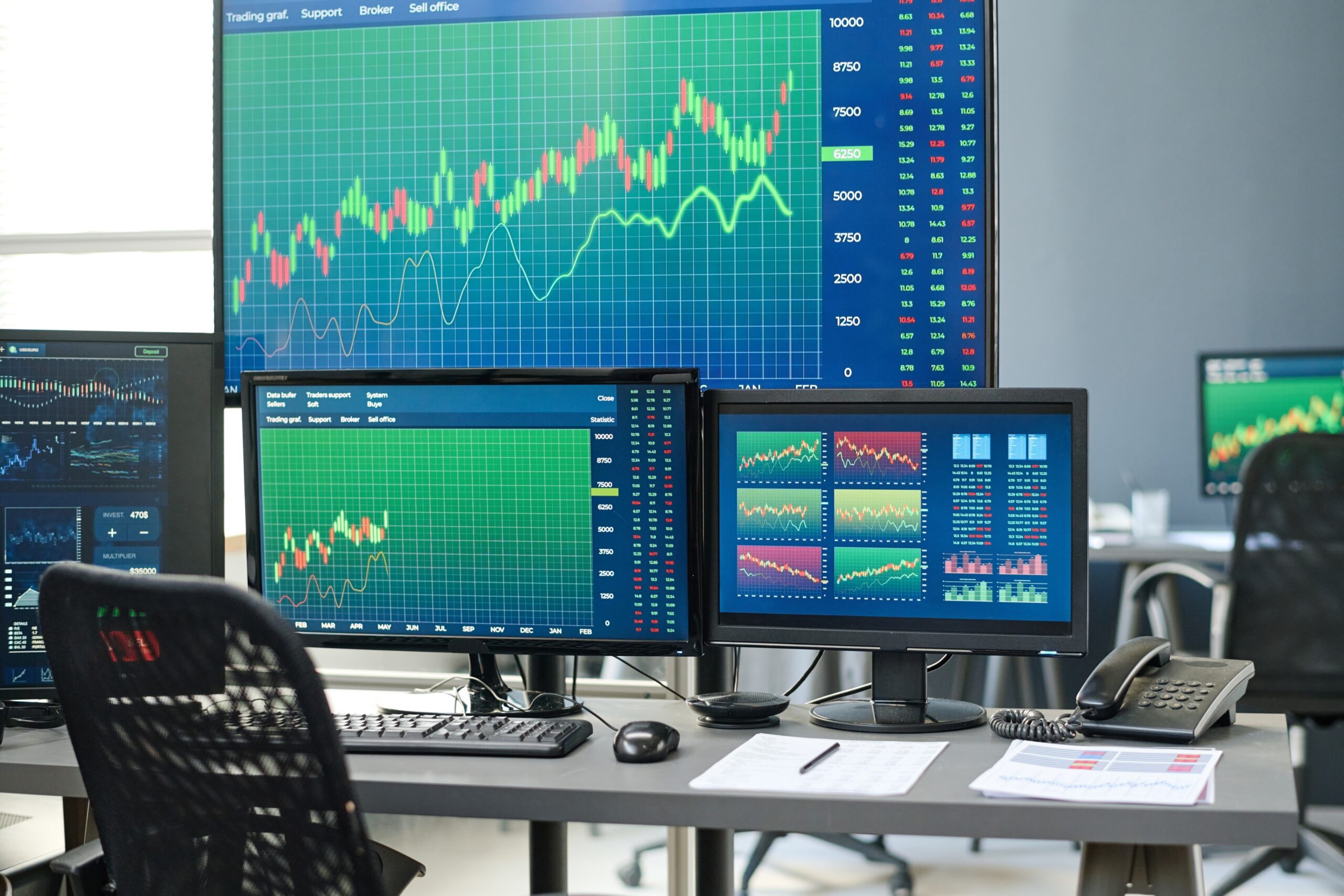
Part 1: The Professional Setup
You are fighting against bots and institutional algorithms. You need the right weapons.
1. The Exchange
This is where most beginners fail at this. If your trading fee is 0.1% and you buy and sell, you pay 0.2% total. If your profit target is only 0.5%, the exchange just took 40% of your profit.
- Recommendation: Use exchanges like Bybit or Binance and enable Pay fees with native token (BNB/MNT) to get discounts.
- Look for: high liquidity for your positions. You need to be able to enter and exit instantly without slippage (price changing while your order fills).
2. The Charting Software
Don’t use the exchange’s default chart. Use TradingView for analysis.
- Timeframes: I use a split-screen layout.
- 15-Minute Chart: To see the overall trend (Is Bitcoin going up or down?).
- 1-Minute or 5-Minute Chart: For my actual entry triggers.
Part 2: Two High-Speed Strategies
Forget complex Butterfly Patterns. In high-speed markets simple works best.
Strategy A: The Liquidity Sweep SMC Concept
This is my go-to setup for 2025. Algorithms love to hunt Stop Losses.
The Logic:
Retail traders put their stop losses just below a support level. Whales know this. They push the price down just enough to hit those stops (creating liquidity) and then rocket the price back up.
The Setup (Long Example):
- Identify a clear Support Level for your trade on the 5-minute chart.
- Wait for the price to drop below that line.
- Do NOT buy yet.
- Wait for a specific candle: A Hammer Candle or a candle with a long bottom wick that closes back above the support line.
- Entry: As soon as that candle closes above the line.
- Stop Loss: Just below the wick.
Strategy B: The 9/21 EMA Ribbon Trend Riding
perfect for beginners in this style because it forces you to trade with the trend.
The Setup:
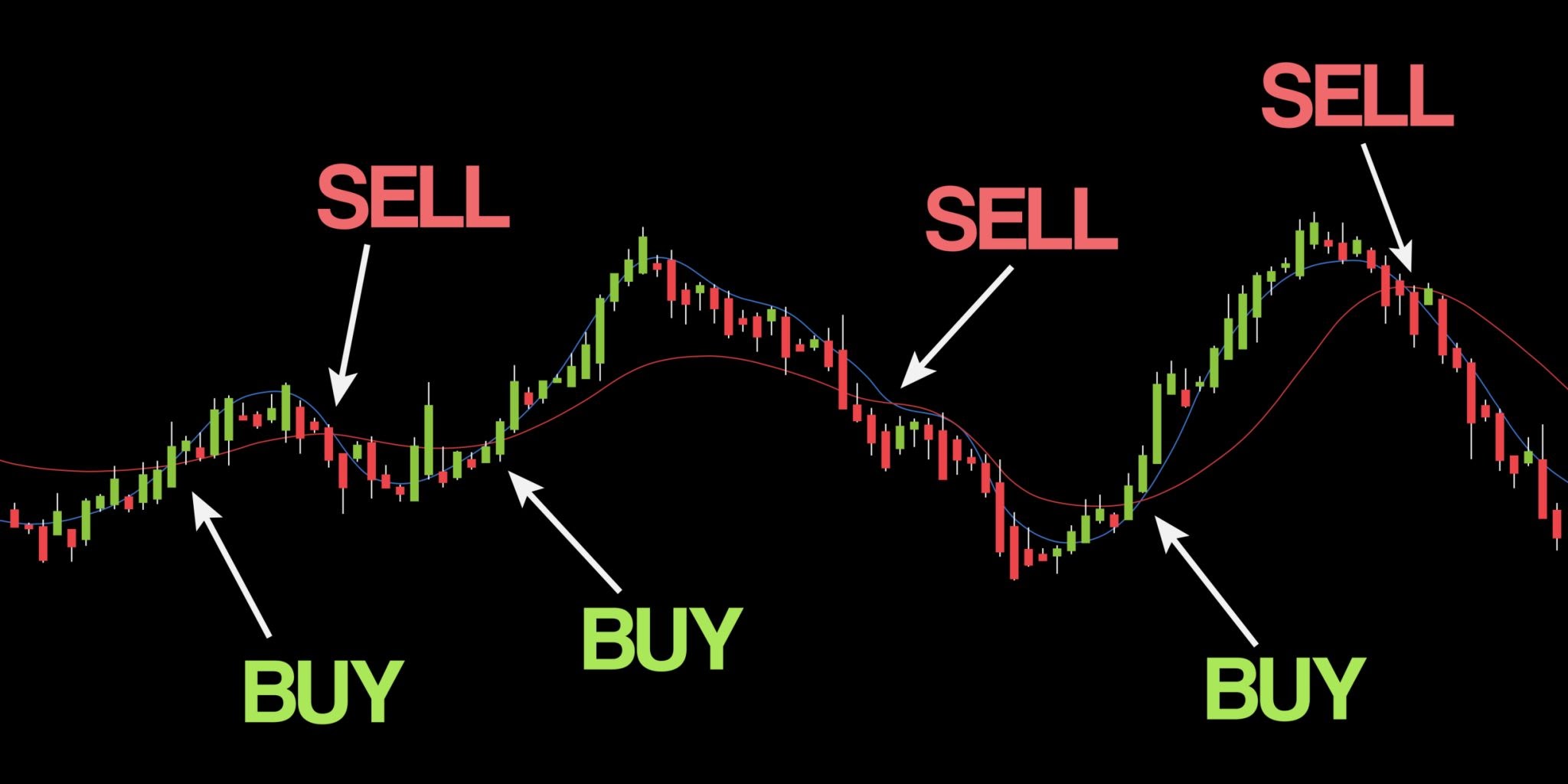
- Add two Exponential Moving Averages (EMA) to your chart: Length 9 and Length 21.
- Buy Signal: When the 9 EMA (Fast) crosses above the 21 EMA (Slow) and the gap between them widens it is a perfect entry model.
- Sell Signal: When the 9 EMA crosses below the 21 EMA.
- Exit: Don’t wait for a cross-back. Exit when the price candles start touching the 21 EMA again.
Part 3: Risk Management The 1% Rule
This is the boring part of scalping trading strategy that will make you rich.
In scalping you don’t need a high win rate. You can win 40% of the time and still make money IF your risk management is perfect.
The Golden Rule: Never risk more than 1% of your account on a single scalping trade.
The Math:
- Account Size: $1,000
- Max Risk: $10 per trade.
- Stop Loss: If your Stop Loss is 1% away from your entry price you can use a $1,000 position size (1x leverage).
- Leverage Warning: If you use 10x leverage a 1% drop in price = 10% loss of equity. Beginners should never exceed 5x leverage. Here
Part 4: Scalping vs. Swing Trading
Still unsure? Here is a quick breakdown.
| Feature | Scalping | Swing Trading |
| Timeframe | 1-Min to 5-Min charts | 4-Hour to Daily charts |
| Holding Time | Minutes (Never overnight) | Days to Weeks |
| Stress Level | Extremely High | Low to Medium |
| Capital Risk | Low per trade (High frequency) | Higher per trade |
| Best For | Adrenaline junkies & full-time traders | Part-time traders & investors |
Part 5: Psychology for scalping trading
Scalping exposes your worst flaws.
- FOMO (Fear Of Missing Out): You see a green candle shooting up, so you buy at the top. Result: It crashes immediately.
- Revenge Trading: You lose $50, so you quickly open a random trade with double the size to win it back. Result: You lose $150.
My Rule: If I lose 3 trades in a row I walk away. I close the laptop. The market will be there tomorrow my money won’t be if I tilt.
Conclusion
You don’t need $10,000 to start scalping. In fact, please don’t start with that much.
- Open a Demo Account: Most exchanges like Bybit or Paper Trading on TradingView allow this.
- Pick ONE Scalping Trading Strategy: Master the Liquidity Sweep or the EMA Cross. Don’t mix them yet.
- Trade Small: Start with $100 real money. If you can double it to $200, then you are ready to scale up.
Scalping is a skill, like playing an instrument. You will hit wrong notes at first. But once you find your rhythm, the freedom it offers is unmatched.
Ready to read the charts? Open TradingView set your 5-minute timeframe, and look for that first Liquidity Sweep.
Frequently Asked Questions (FAQ)
Q: Can I scalp on my phone?
A: Technically yes, but I strongly advise against it. You cannot see detailed chart patterns or execute orders fast enough on a mobile screen. Use a desktop or laptop for serious scalping.
Q: How much money do I need to start scalping trading?
A: You can start with $50-$100. The key is not the amount, but learning how to manage percentages.
Q: What is the best crypto to scalp?
A: Stick to high-volume/high-liquidity coins like Bitcoin (BTC), Ethereum (ETH), or Solana (SOL). Low-cap “meme coins” often have spreads that are too wide for profitable scalping.
Q: Is scalping taxable?
A: In most jurisdictions (like the US, UK, and Canada), every single trade is a taxable event. If you make 1,000 trades a year, you need crypto tax software to track this.
⚠️ Financial Disclaimer
The information provided on Web3TradingHub.com is for educational purposes only and does not constitute financial advice. Cryptocurrency trading involves high risk, including the potential loss of all invested capital. Scalping and leverage trading amplify these risks. Always do your own research (DYOR) and never invest money you cannot afford to lose.