Updated: Dec 2025 | Author: Web3TradingHub Team
Table of Contents
In this Complete Trading Guide From Beginner to Pro Trader, I want to share a reality check. If you are reading this, you’ve likely realized that crypto Web3 investing isn’t just about buying low and selling high; it’s about navigating a completely new digital economy. Whether you are aiming to flip altcoins for a profit using online trading platforms or build a long-term portfolio, the learning curve can feel steep.
I remember my first trade; I was overwhelmed by gas fees, wallet keys, and volatile charts. But once you understand the mechanics, the opportunities are endless. If you want to learn how to trade effectively, you need a system.
This isn’t just another generic dictionary of terms. This is a practical trading guide designed to take you from setting up your first wallet to executing advanced trading strategies. Let’s master the markets together.
Part 1: What is Crypto Trading?
Trading for beginners often starts with a misunderstanding of the platform. Before you put a single dollar into the market, you need to understand the playing field. Traditional markets (Stock Market) rely on middlemen banks and brokers. Web3 removes the middleman
Built on blockchain technology, crypto trading gives you full ownership. When you trade on Web3, you are interacting directly with the ledger. It is decentralized, transparent, and immutable.
The Core Concept: Blockchain as a Digital Ledger in online trading
Think of the blockchain as a glass accounting book in the middle of a town square. Everyone can see the entries (transactions), but no single person can erase them.
- Transparency: Every trade is verifiable.
- Security: Cryptography keeps your assets safe.
- Self-Custody: You are your own bank.
Part 2: Setup Your Digital Toolkit
You cannot succeed in online trading without the right infrastructure. Here is the essential setup used by professional traders.
1. The Digital Wallet in Crypto Trading
Your wallet is the interface that manages your private keys. It allows you to interact with the blockchain.
- Hot Wallets (Software): Connected to the internet (e.g., MetaMask). perfect for active, daily use but carry higher risk
- Cold Wallets (Hardware): Physical devices (e.g., Ledger) that keep your keys offline.
2. Choosing the Right Exchange
Not all Bazaars are created equal. You generally have two options:
| Feature | Centralized Exchange (CEX) | Decentralized Exchange (DEX) |
| Examples | Binance, Bybit, KuCoin | Uniswap, PancakeSwap, Jupiter |
| Ease of Use | High (User-friendly, login with email) | Moderate (Requires wallet connection) |
| Custody | The Exchange holds your funds | You hold your funds |
| Best For | Beginners & Fiat On-boarding | Pro Traders & Privacy seekers |
Top Best Crypto Exchanges guide
Part 3: How to Trade Like a Pro
New traders often lose money because they simply hit “Buy.” To understand how to trade like a pro, you must control your entry.
Market Order
You buy immediately at the current price. Use this when you need to execute trading strategies instantly and don’t care about a small price difference.
Limit Order
You set a specific price. The trade only executes if the market hits your number. This is essential for disciplined trading for beginners.
Stop-Loss Order
This is your safety net. It automatically sells your asset if the price drops. Never enter a crypto trading position without a plan to exit.
Part 4: Technical Analysis
You don’t need a degree in finance to read a chart. You just need to identify the signals amidst the noise. Think of technical analysis (TA) as a weather forecast for money.
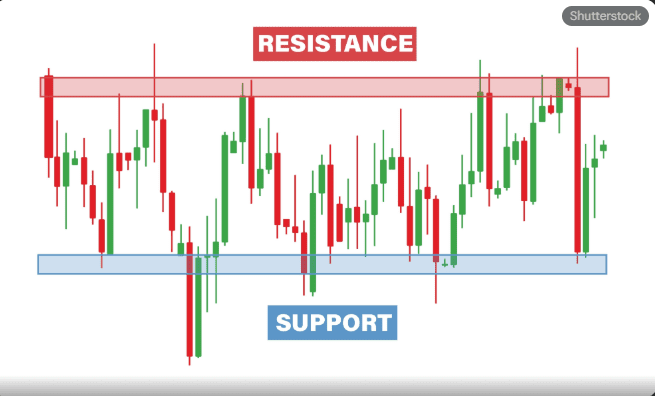
1. Support & Resistance
- Support (The Floor): A level where buyers step in.
- Resistance (The Ceiling): A level where sellers stop the price from rising.
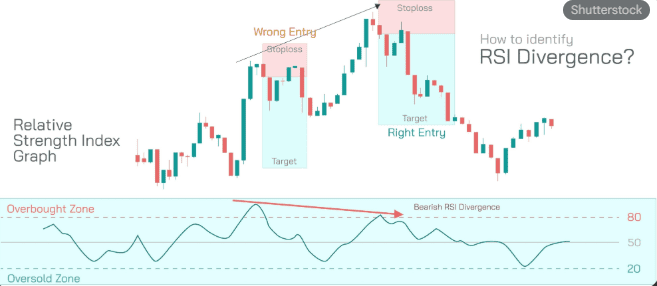
2. RSI (Relative Strength Index)
This indicator measures momentum in online trading.
- RSI above 70: Overbought (Expensive).
- RSI below 30: Oversold (Cheap) – potentially a good time to learn how to trade the bounce.
3. Moving Averages (MA)
Markets are volatile. Technical analysis uses MAs to smooth out price data. If the price is above the 200-day MA, we are generally in a bull market.uptrend).
Part 5: Fundamental Analysis
While charts tell you when to buy, Fundamental Analysis tells you what to buy. In Web3, this means looking at Tokenomics.
Before investing in a new crypto project, ask these four questions:
- Utility: Does the token actually do something? Is it needed for the software to run?
- Supply: Is there a maximum supply (like Bitcoin) or can they print infinite tokens (inflationary)?
- The Team: Who built it? Are they anonymous, or do they have a track record?
- Community: Is the community active and engaged, or is it just bots spamming “to the moon”?
Part 6: Risk Management
This is the most critical section of this guide. The difference between a gambler and a trader is risk management.
The 2% Rule
In trading for beginners never risk more than 1-2% of your total portfolio on a single position. This ensures you can survive a losing streak while learning how to trade.
Avoid Revenge Trading
If you lose money in online trading, do not try to win it back immediately.
Beware of Leverage
Exchanges offer 100x leverage. While it sounds great, it is dangerous for crypto trading novices. Stick to Spot Trading.
Part 7: The Future of Web3 Trading
The landscape is shifting. We are moving toward AI-driven trading strategies and Real-World Assets (RWAs). To stay ahead in crypto trading, you must remain a student.
Conclusion
Mastering this trading guide doesn’t happen overnight. It is a journey of discipline. You now have the roadmap: set up your wallet, find the best crypto exchanges, learn technical analysis, and manage risk.
The Web3 market is the greatest transfer of wealth in our generation. Ready to learn how to trade effectively? Double-check your security and happy trading.
Conclusion: Your Ultimate Trading Guide
Mastering Web3 trading doesn’t happen overnight. It is a journey of discipline, analysis, and emotional control.
You now have the roadmap: set up your secure wallet, choose a reliable exchange, learn to read the charts, and most importantly, manage your risk. The Web3 market is the greatest transfer of wealth in our generation but only for those who are prepared.
Ready to make your first move? Double-check your security, set your stop-loss, and happy trading.
Frequently Asked Questions (FAQ)
Q: How much money do I need to start trading for beginners? A: You can start with as little as $10. We recommend starting small to learn how to trade before committing big capital.
Q: Is crypto trading safe? A: It carries risks. However, using hardware wallets and reputable best crypto exchanges reduces security risks significantly.
Q: What are the best trading strategies for new users? A: Dollar Cost Averaging (DCA) and Swing Trading are the best trading strategies to start with.
Q: Can I do online trading 24/7? A: Yes. Unlike the stock market, the crypto trading market never sleeps.
Q: Where can I find a good trading guide? A: Web3TradingHub offers comprehensive resources on trading for beginners and advanced technical analysis.
⚠️ Financial Disclaimer
The information provided on Web3TradingHub.com is for educational purposes only and does not constitute financial advice. Online trading involves high risk. Always conduct your own research before making decisions.